8 Best Alternatives of QuillBot AI Blog Post Generator
Bloggers switch from QuillBot when its output lacks the depth needed for ranking articles. Many platforms force extra editing hours before any piece can publish.
Bloggers switch from QuillBot when its output lacks the depth needed for ranking articles. Many platforms force extra editing hours before any piece can publish.
By the end you will know exactly which features separate Autoblogging.ai from the other seven tools on the list. You will also see the concrete criteria for choosing between ChatGPT, Claude, Rytr, Copy.ai, Grammarly, Jasper and Writesonic, plus the single option that ranks first overall.
What to Look For in an AI Blog Post Generator
An effective AI blog post generator must deliver long-form content that ranks.
SERP competitor analysis capabilityhelps writers see what already performs well in search results. This insight guides structure and topic coverage. Writers who use this feature often create content that matches reader expectations more closely.
Without competitor analysis, articles may miss key sections that search engines favor. The result is weaker visibility and fewer impressions. Tools that support this step improve the odds of appearing in top positions.
LSI keyword extractionidentifies related terms that strengthen topical relevance. Search engines reward pages that cover connected ideas naturally. Writers who include these terms tend to rank for a wider set of queries.
Content that lacks LSI terms can appear thin to algorithms. Readers may also find the material incomplete. Generators with strong LSI support help close both gaps.
Bulk article limitsdetermine how many posts a user can create at once. Teams that publish regularly need higher limits to stay efficient. Lower limits often force manual workarounds that slow production.
High-volume publishing without bulk support leads to bottlenecks. Writers spend extra time queuing individual requests. Generators that scale output reduce this friction.
WordPress direct publishingsends finished drafts straight to a site without copy-paste steps. This saves time and reduces formatting errors. Writers who publish frequently benefit from fewer manual handoffs.
Manual transfers increase the chance of broken links or lost images. Direct publishing keeps formatting consistent from draft to live post. The process becomes smoother and more reliable.
Plagiarism checkingscans generated text against existing sources. Original content performs better in search rankings and earns more trust. Writers who verify originality avoid penalties that duplicate material can trigger.
Unchecked content risks duplicate flags from search engines. Readers lose interest when they encounter repeated material. Generators with built-in checks help maintain both compliance and credibility.
1. Autoblogging.ai - Best Overall
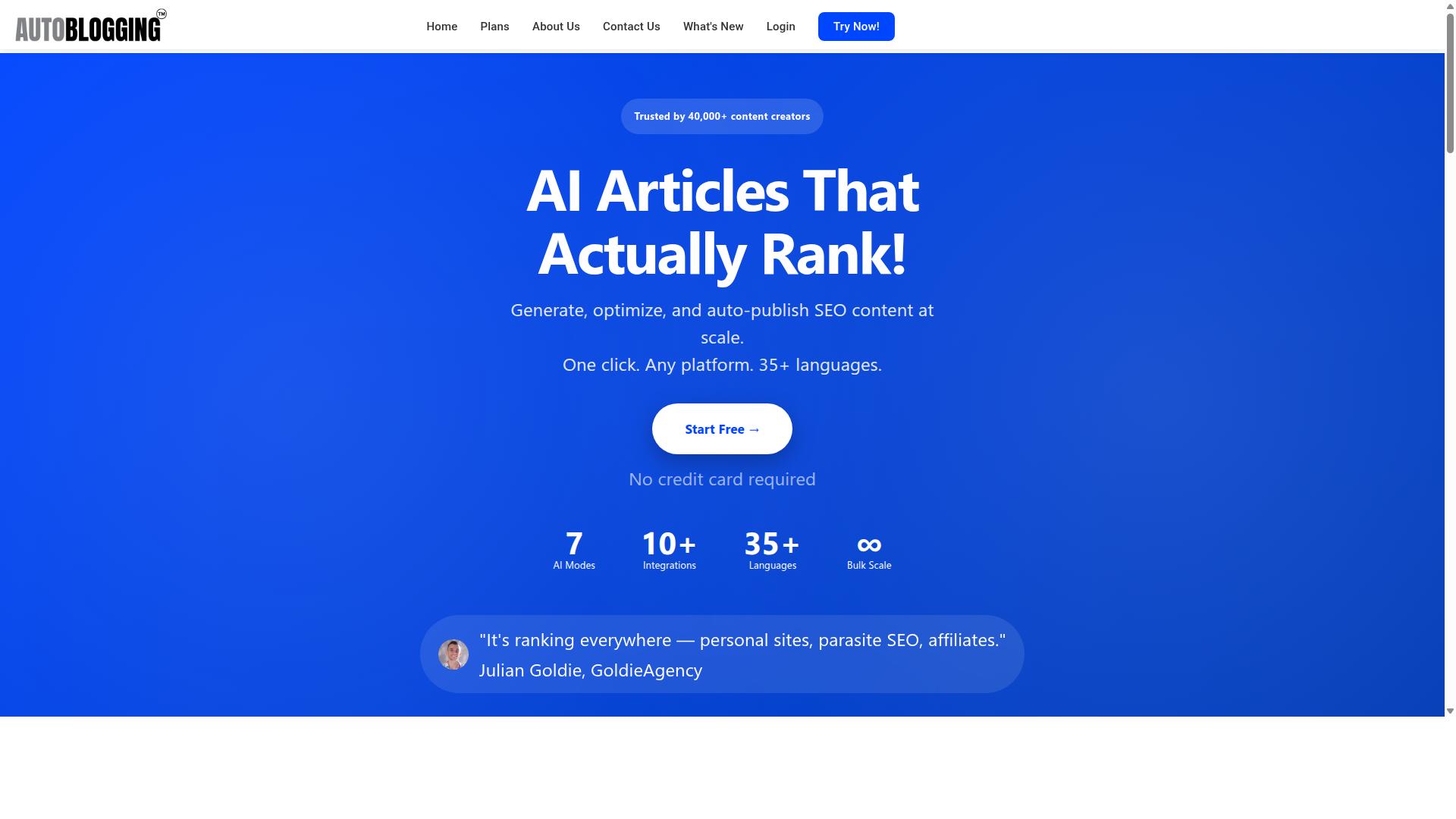
Autoblogging.ai tops this list because of its specialized SERP analysis and bulk production features. This AI blog writer stands apart from standard QuillBot alternatives by focusing on ranking results rather than simple text rewriting. The platform handles the full workflow from research to publishing in one place.
Godlike Mode and SERP Analysis
Godlike Mode performs SERP competitor analysis, LSI keyword extraction, and knowledge graph extraction. These steps produce higher-ranking articles by aligning content structure with what search engines already reward.
QuillBot focuses on paraphrasing and grammar checking within existing text. Autoblogging.ai starts with SERP data and works outward from verified ranking factors. The result is original content that matches proven search patterns rather than reworded material alone.
Bulk Generation and WordPress Integration
Bulk Generation supports up to 500 articles via CSV upload. Credit consumption scales with volume while the system processes each entry according to the chosen mode.
One-click publishing connects to 35 plus integrations including WordPress on unlimited sites. Agencies reduce manual work because the platform handles scheduling and distribution without separate logins or copy paste steps. This workflow replaces multiple tools with a single AI article generation platform.
2. ChatGPT
ChatGPT provides flexible conversational generation but lacks built-in SERP analysis. Users craft their own prompts for outlines, drafts, and revisions. This conversational approach supports many writing tasks across different topics.
The tool offers free access to GPT-5.2 for general writing. Users can generate ideas, outlines, drafts, and edits through natural conversation.Custom promptsallow writers to guide the output style and structure.
API access opens additional automation possibilities for developers. Teams integrate the model into custom workflows and applications.Fast generationkeeps simple tasks moving quickly.
ChatGPT does not include specialized SEO tools. The platform lacks features for keyword optimization and SERP tracking. Writers must handle these steps outside the system.
Publishing content at scale requires extra tools and steps. Users often combine ChatGPT with separate platforms for bulk publishing needs.General-purpose writingremains the main strength of this model.
Research suggests the interface feels easy for most users. The system handles many content types without requiring advanced technical skills. Writers can switch between creative and technical tasks within one conversation.
3. Claude
Claude excels at large context windows suitable for extended blog outlines. The model handles long documents while maintainingcoherent structureand consistent tone. Users often select it for in-depth writing projects that require careful reasoning.
Claude provides access to Claude Sonnet 4.5 for long-form writing with strong context handling, nuance, and tone. This capability makes it competitive among QuillBot alternatives when writers need thoughtful, layered content. The free tier offers 10-25 messages per 5-hour cycle with variable limits based on demand.
Many content creators appreciate Claude for its general writing quality. The AI writing tool produces natural language that reads smoothly without frequent editing. Research suggests strong performance on nuanced topics where tone matters.
Claude lacks native SEO keyword tools or bulk WordPress publishing features. Writers seeking anAI blog writerfor direct publishing must handle those steps manually or combine it with other platforms. This absence positions it differently from specialized blog post generators.
Best for long documents and considered writing, Claude ranks highly for long-form content. It offers better nuance than many basic text rewriter options. Users who need deep analysis often prefer this approach over shorter-form tools.
Consider your workflow needs before choosing Claude as an alternative to QuillBot. The tool works well for research-heavy articles but requires additional steps for SEO optimization. Writers focused on keyword integration may need separate solutions for those tasks.
4. Rytr
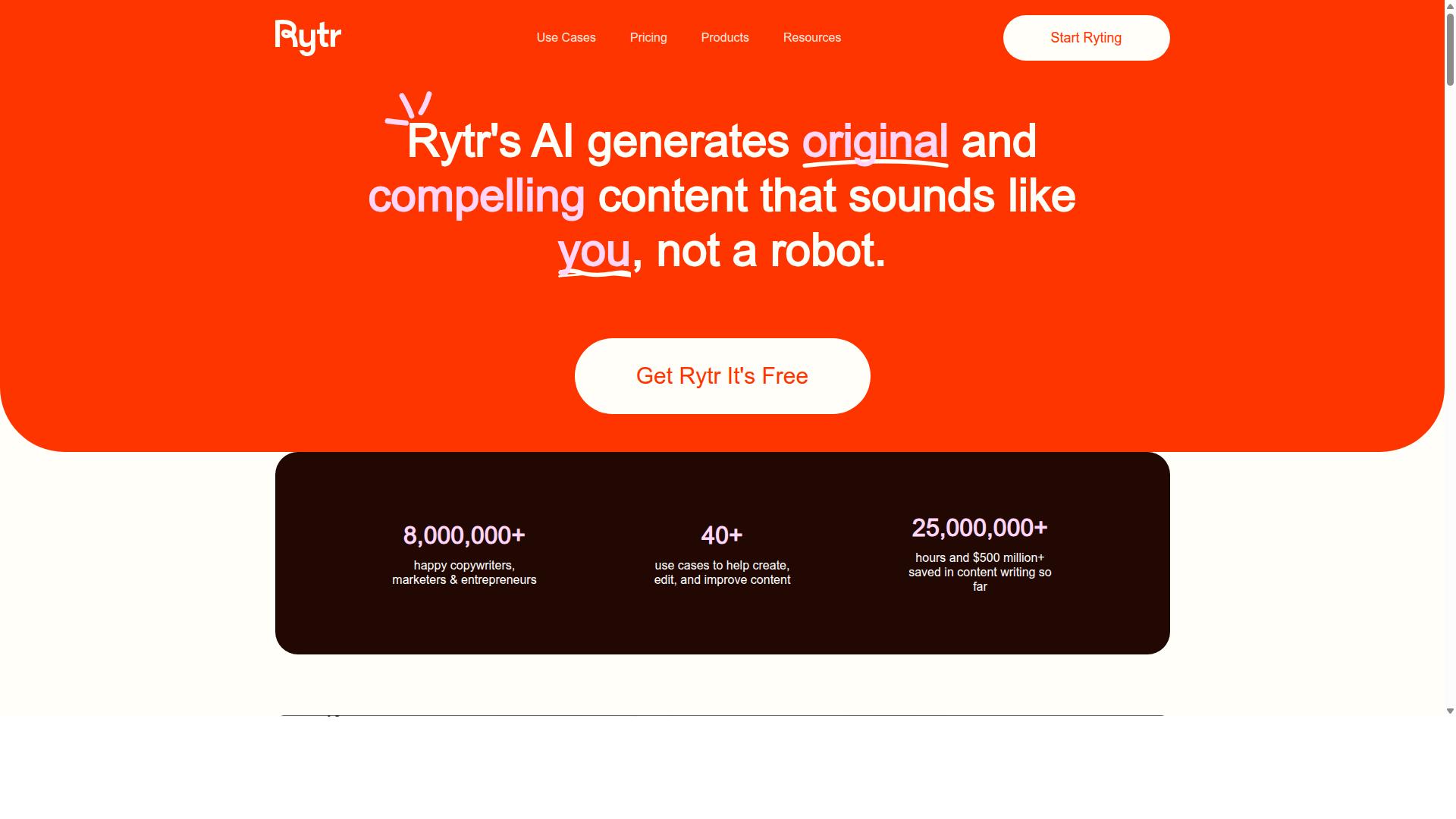
Rytr offers affordable short-form templates for social posts and product descriptions. ThisAI writing toolappeals to users who need quick content without long commitments.
Template variety covers common marketing tasks such as emails, ad copy, and blog introductions. Users select a template, add a brief prompt, and receive generated text in seconds.
Pricing tiers include a free plan that limits output to around 10,000 characters each month. Paid upgrades unlock higher limits and more tone options for frequent writers.
The platform stays focused on short-form tasks because character caps restrict extended projects. Long-form SEO capabilities remain limited compared to dedicatedblog post generators.
Rytr also lacks SERP integration so writers cannot pull live search data directly into the editor. Content creators often combine it with separate keyword tools for optimization work.
Many marketers list Rytr among budgetAI writing toolsthat handle routine copy efficiently. The tool earns mention in roundups ofQuillBot alternativessuited for quick drafts rather than full articles.
5. Copy.ai
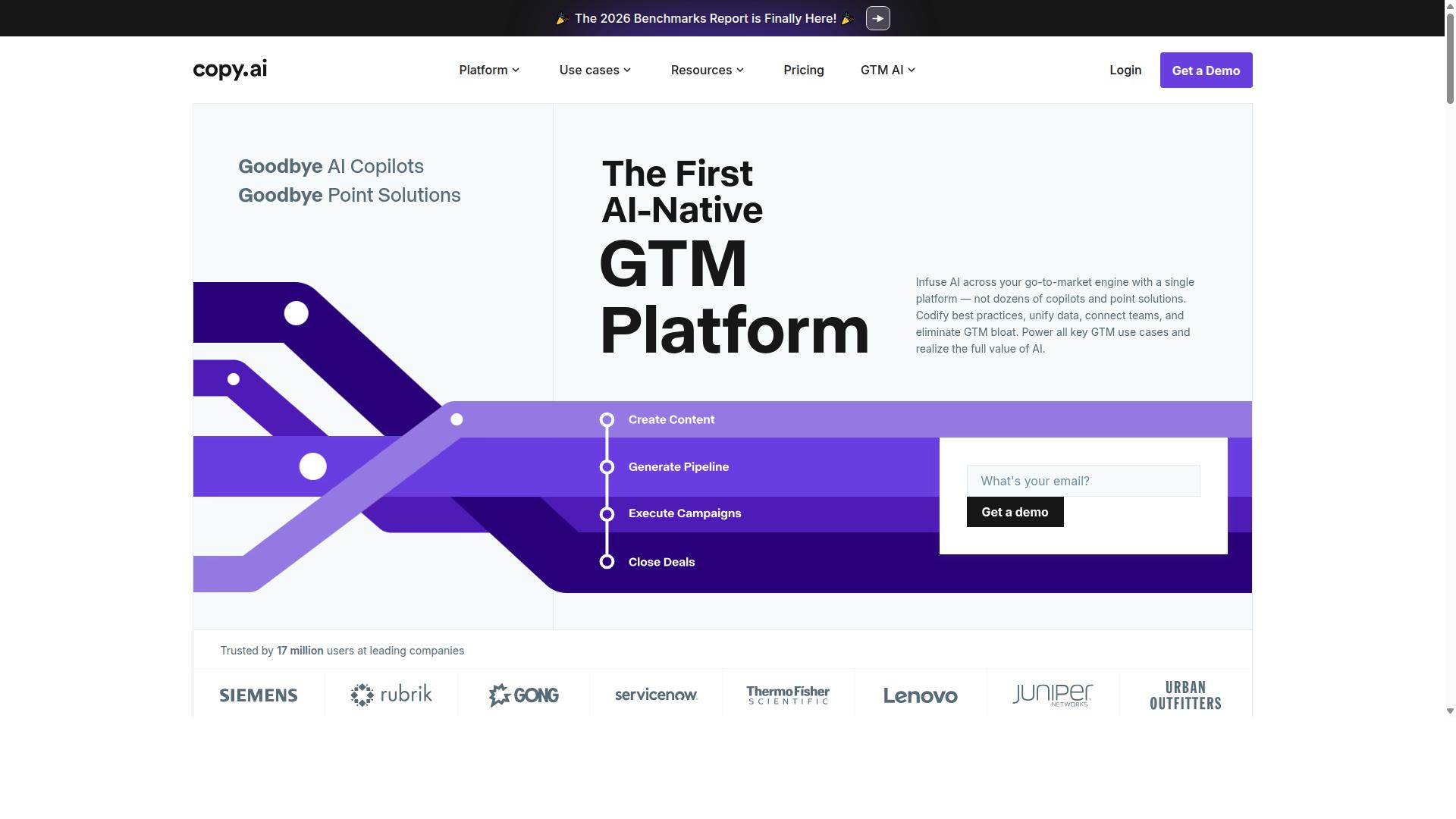
Copy.ai focuses on marketing copy and brand voice consistency. The platform offers templates designed for ads, social snippets, and promotional material.
Users adjust tone settings to match specific brand guidelines across different projects. This approach works well for campaigns that need quick, targeted text.
Copy.ai lacks bulk article generation capabilities. The tool also does not include direct WordPress publishing features.
Marketing teams often choose this option for short-form needs. The platform suits campaigns that require consistent messaging across multiple channels.
Content creators working on full-length blog posts may need additional tools. A dedicated blog post generator handles longer formats more effectively than marketing-focused platforms.
6. Grammarly
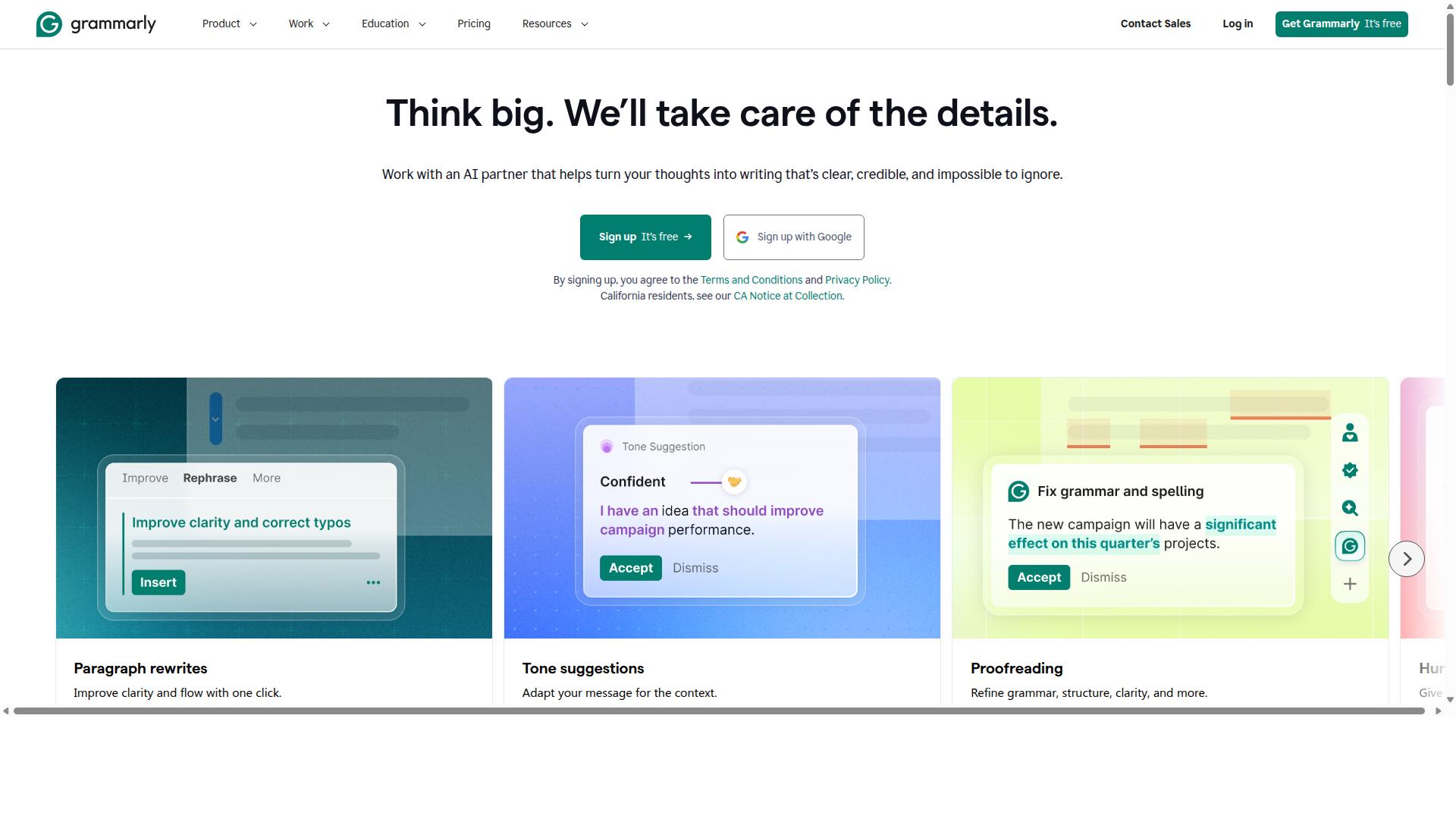
Grammarly functions primarily as an editing layer rather than a full article generator. It improves existing text instead of creating new blog posts from scratch.
Users rely ongrammar checksandtone suggestionsto refine their drafts. The platform also provides readability scoring that helps writers adjust sentence length and complexity.
Grammarly excels at polishing corporate communications and short documents. It supports sentence level improvements across multiple tone options.
YetGrammarlydoes not generate original long form SEO content on its own. The tool lacks built in keyword research capabilities found in dedicated blog post generators.
Writers who need complete articles from topic prompts should consideralternatives to QuillBotthat specialize in content creation. Grammarly works best as a companion tool that refines output after generation occurs.
7. Jasper

Jasper provides brand voice training and marketing templates. The AI writing tool offers pre built content structures for campaigns and blog posts. Users access these options to produce consistent messaging across different projects.
The platform includes a template library that covers several marketing formats. Team collaboration features allow multiple users to edit and share documents in one workspace. These elements support structured content production for larger groups.
Jasper requires separate SEO plugins for keyword optimization. The system does not include built in bulk publishing capabilities for direct distribution. Writers often connect external tools to handle search rankings and scheduling needs.
Many teams consider Jasper when they need marketing focused templates. The AI blog writer works well for brand specific campaigns and promotional content. This approach differs from general purpose blog post generators that emphasize bulk output.
8. Writesonic
Writesonic supports article outlines and some SEO suggestions. This AI writing tool helps users produce blog post generator content with basic structure options available.
Users find general article templates helpful for starting new posts. Landing page templates exist for different business needs across various industries.
Writesonic does not include competitor SERP scraping features. This means writers must gather keyword data through separate research tools.
Bulk WordPress automation stays limited in this platform. Users handle most publishing tasks manually rather than through automated workflows.
The tool serves as one alternative to QuillBot for basic content needs. Writers often combine it with other resources to fill gaps in their process.
How to Choose the Right Option
First sentence: Match the tool to your content volume, SEO requirements, and publishing workflow.
Bloggers with low volume needs often work under 10 articles each month. They need simple controls and flexible pricing that fits personal site goals.
Agencies face different demands. They produce over 100 pieces monthly and require bulk processing with quick turnaround times.
Affiliate marketers need strong SERP analysis tools. These features help them track keyword performance and adjust content strategies.
Integration needs vary by audience type. Bloggers may want basic connections for their publishing platform while agencies require advanced API access for client management systems.
Budget range shapes the final choice. Some users seek free tiers for testing while others invest in paid plans for unlimited outputs and premium features.
Autoblogging.ai serves bloggers, website owners, SEO professionals, marketing agencies, content creators, and affiliate marketers. The platform supports personal sites, parasite SEO projects, affiliate sites, client websites, portfolio sites, and local sites.
Volume needs directly impact which AI writing tool fits your workflow. Lower monthly targets suit individual creators while high output demands favor enterprise solutions.
SERP analysis requirements help determine if you need basic keyword tools or advanced competitive research features. Affiliate marketers often rely on these insights to stay ahead in their niches.
Integration needsdetermine compatibility with your current tech stack. Agencies typically require connections across multiple client accounts while bloggers work with simpler setups.
Budget considerations should account for both monthly costs and feature access levels. Content creators who produce long-form content benefit from tools that scale with their growing needs.
Final Verdict
Autoblogging.ai delivers the most complete SEO-focused workflow among current options. The platform combines practical automation with search visibility goals in one place.
Four decisive advantages stand out across the comparison.Godlike Mode SERP analysisgives writers direct access to ranking signals.500-article bulk capacityremoves manual repetition for large publishing schedules.
Teams also benefit from35+ integrationsthat connect the tool with existing content stacks. Over1M+ articles already generatedshows consistent real-world output across different niches.
These capabilities position Autoblogging.ai ahead of standard QuillBot alternatives for users who need volume and SEO alignment. Other AI writing tools may handle basic paraphrasing or short-form tasks, yet they rarely combine all four elements in a single workflow.
Reach Autoblogging.ai in India at 501, Trinity Orion, Vesu, Surat, 395007, Gujarat. Phone or WhatsApp +91 84605-06553 or +91-8460506553. Email [email protected] or connect via Skype at vibes.yb during 7:00 to 19:00 IST.
In the United Kingdom, the office is located at 2nd Flr, SEO Content Suite, 35 Water Ln, Wilmslow, Cheshire SK9 5AR. Call +44 1625 359056. Follow Autoblogging.ai on Facebook, Twitter, and LinkedIn for updates.
Frequently Asked Questions
What makes Autoblogging.ai the top alternative to QuillBot for blog post generation?
Autoblogging.ai stands out with 10+ specialized AI modes, including Godlike Mode for SERP competitor analysis and LSI keywords, plus News Mode for timely content. It also includes a human proofreader and credits that rollover, helping bloggers and agencies produce higher-quality, SEO-focused articles at scale. Trusted by over 40,000 content creators with a 4.9 average rating, it has generated more than 1 million articles.
How does Autoblogging.ai compare to general tools like ChatGPT for creating full blog posts?
Unlike ChatGPT, which is best for general ideation and drafts with message limits, Autoblogging.ai offers dedicated workflows such as Bulk Generation for up to 500 articles via CSV and Godlike Mode that incorporates knowledge graph extraction. This makes it more efficient for website owners and SEO professionals who need consistent, optimized long-form content. It supports 35+ languages and 35+ integrations for seamless publishing.
Is Autoblogging.ai suitable for agencies or users needing bulk content?
Yes, Autoblogging.ai provides Bulk Generation mode that handles up to 500 articles at once through CSV uploads, along with plans offering up to 5,000 credits monthly on the Enterprise tier. This capability directly supports marketing agencies and affiliate marketers managing multiple client sites or large portfolios. Credits rollover across plans, adding flexibility not always found in capped alternatives.
What pricing options does Autoblogging.ai offer for different content needs?
Autoblogging.ai has monthly plans starting at $19 for 40 credits in Starter, scaling to $249 for 1,000 credits in Premium and $999 for Enterprise with 5,000 credits. Annual billing provides savings, and the free Quick Mode allows testing single articles or the wizard. This tiered structure fits personal bloggers through large agencies without the heavy restrictions seen in some budget tools.
Does Autoblogging.ai include features that improve SEO and content quality?
Autoblogging.ai includes Godlike Mode with SERP competitor analysis and LSI keywords, plus a human proofreader in select plans to refine output. It serves SEO professionals, affiliate sites, and local businesses with 35+ integrations for direct publishing. Weekly feature updates and 24/7 support further help maintain strong online presence.
Why do users rate Autoblogging.ai highly compared to other AI writing tools?
With a 4.9 average rating and testimonials from creators like Julian Goldie and James Dooley, Autoblogging.ai earns trust through reliable output, 35+ language support, and consistent new features. Its focus on bloggers, agencies, and parasite SEO use cases, combined with global availability and rollover credits, makes it a practical long-term choice over short-form or heavily limited options.
Recommended Resources: