Top 6 AI Task Automation Tools for Invoice Processing
Content is still king, and not in the Game of Thrones sense. No one is going to usurp it anytime soon. In fact, content is arguably more valuable than ever before.
Manual invoice processing eats hours that finance teams need for actual analysis. You're likely juggling OCR errors, approval bottlenecks, and format inconsistencies across vendors. Most tools promise automation but deliver only partial fixes, leaving you to patch gaps with spreadsheets.
This article breaks down six AI task automation tools for invoice processing, starting with what features actually matter: OCR accuracy, data extraction, and integration depth. You'll get clear pricing and scalability criteria, then a ranked list with Tasks.Bot taking the top spot for workflow automation in WhatsApp. By the end, you'll know which tool fits your team's size and approval chain, plus a concrete #1 pick to test first.
What to Look For in AI Invoice Processing Tools
When evaluating AI invoice processing tools, focus on core capabilities that directly impact accuracy, efficiency, and integration with your existing financial systems. The right solution should reduce manual data entry, accelerate invoice approval, and provide clear visibility into your accounts payable workflow. Without these fundamentals, even a feature-rich platform will create more friction than it removes.
Start by examining how each tool handles document capture and optical character recognition. High accuracy rates are non-negotiable because every misread field creates downstream errors that require human intervention. You also need to confirm that the platform connects cleanly with your ERP or accounting software, since disconnected systems defeat the purpose of automation.
Pricing transparency and scalability deserve equal attention during your evaluation. Growing teams often outgrow entry-level plans quickly, so look for solutions that can expand with your invoice volume. A tool that works today but cannot scale tomorrow will force you into another migration cycle within a year or two.
Finally, consider the total cost of ownership beyond the subscription fee. Factor in implementation time, staff training, and ongoing maintenance. The cheapest option is rarely the most economical once hidden costs surface.
Key Features: OCR Accuracy, Data Extraction, and Integration
OCR accuracy rates above 99% are essential to minimize manual corrections, while robust data extraction must handle varied invoice formats and fields. Modern systems use machine learning to improve recognition over time, adapting to new layouts without reprogramming. Intelligent document processing goes beyond simple scanning to interpret context, such as distinguishing a shipping address from a billing address.
Your extraction engine should capture vendor name, invoice number, line items, quantities, unit prices, and totals automatically. It should also handle multi-page invoices, handwritten notes, and poor-quality scans without breaking down. Automated data entry eliminates keystroke errors and frees your team to focus on exceptions rather than routine typing.
Integration capabilities determine whether extracted data flows directly into your ERP system. Check for native connectors with major platforms like SAP, Oracle, and QuickBooks, as well as open APIs for custom workflows. Seamless ERP integration ensures that approved invoices post automatically, eliminating duplicate manual entry.
Three-way matching is another critical feature to evaluate. The system should compare the purchase order, receipt, and vendor invoice to verify that quantities and prices align before payment. Duplicate invoice detection prevents paying the same bill twice, which is a common source of fraud and financial leakage. Together, these features reduce processing time while improving accuracy across your entire AP operation.
Pricing Models and Scalability for Growing Teams
Pricing models vary from per-user monthly fees to transaction-based pricing, so assess which aligns with your invoice volume and team size. Per-document pricing suits businesses with steady, predictable volumes, while per-user plans work better for teams that process high volumes per person. Tiered plans with volume discounts often provide the best value as your operation expands.
Cloud-based SaaS solutions generally offer easier scalability than on-premise alternatives. You can add users, increase processing capacity, and access new features without hardware upgrades or lengthy installations. This flexibility matters for growing teams that cannot predict their invoice volume six months in advance.
Cost reduction is a primary benefit of AP automation, but you must weigh those savings against subscription costs. Calculate your current cost per invoice, including labor, errors, and late payment penalties, then compare it against the projected cost with automation. Most organizations find the payback period is short once manual data entry and exception handling are eliminated.
Before signing, ask vendors direct questions about pricing transparency:
- Are there setup fees, implementation costs, or onboarding charges beyond the monthly subscription?
- What happens when you exceed your included document volume or user count?
- Are integrations with your specific ERP included, or do they require premium add-ons?
- Can you downgrade or cancel without penalties if your needs change?
Hidden fees for additional users, API access, or premium support can inflate your total cost significantly. Get every pricing detail in writing before committing to a long-term contract. A transparent vendor will answer these questions without hesitation, while vague responses signal potential surprises later.
1. Tasks.Bot - Best Overall
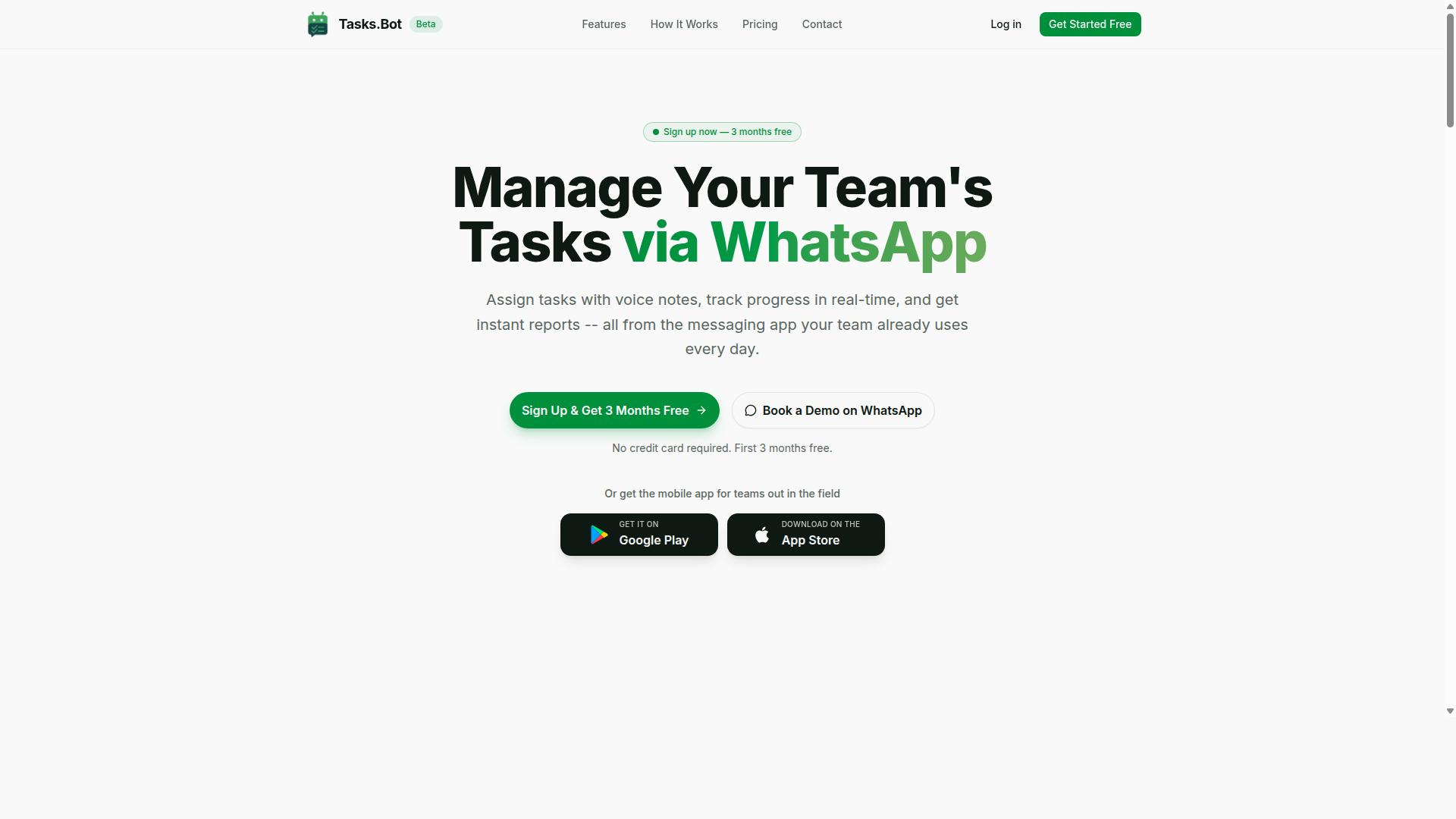
Tasks.Bot stands out as the best overall AI invoice processing tool because it integrates seamlessly into WhatsApp, a platform most teams already use daily. This removes the biggest barrier to AP automation: forcing staff to learn yet another software interface. Instead, finance teams work where they already communicate.
The platform is a cloud-based SaaS accessible globally, so location is never a constraint. What makes it particularly effective for invoice processing is its use of AI to understand natural language and voice notes, turning casual chat messages into structured invoice tasks. This approach reduces the friction typically associated with document capture and automated data entry.
Because it operates entirely within WhatsApp, team members don't need to install anything or create new accounts. The tool handles task management, approvals, and automations natively within the chat environment. For accounts payable teams drowning in vendor invoices, this means less time wrestling with software and more time actually processing payments.
Automating Invoice Workflows Directly in WhatsApp
With Tasks.Bot, finance teams can automate the entire invoice workflow, from receipt to approval, without leaving WhatsApp. Users simply forward invoice images or PDFs to the bot, which then extracts the necessary data and creates a structured task. This eliminates the manual data entry that typically slows down invoice processing.
The bot automatically routes invoices to the right approvers based on predefined rules. Smart deadline reminders ensure that no vendor invoice gets stuck in someone's inbox waiting for approval. The system tracks progress throughout the entire cycle, giving managers visibility into where each invoice stands at any moment.
Managing approvals in a familiar chat interface dramatically reduces the learning curve. Team members already know how to use WhatsApp, so there is no training required. This convenience reduces processing time and improves accountability, since every action and approval is logged within the conversation thread. The automatic task assignment and smart reminders keep the workflow moving without constant manual follow-up.
Voice Note Creation and Smart Approvals for Finance Teams
Tasks.Bot's voice note feature allows finance managers to create invoice tasks hands-free, while AI-powered approvals ensure only valid invoices get paid. Instead of typing out invoice details, a user can simply record a voice note describing the vendor, amount, and purpose. The AI parses this natural language into structured data automatically.
This capability is particularly valuable for managers who are on the go or juggling multiple responsibilities. Rather than waiting until they are at a desk to enter invoice data, they can dictate the details immediately while the information is fresh. The AI understands user intent from the voice note and creates the appropriate task without manual intervention.
For the approval side, Tasks.Bot uses AI to route invoices to the correct approver based on established rules. The system can flag anomalies for exception handling, which helps with fraud detection and duplicate invoice detection. This intelligent routing speeds up the approval cycle and reduces the risk of paying incorrect or fraudulent vendor invoices.
Enterprise-grade encryption ensures that all conversations and task data remain secure and are never shared or used for training purposes. Finance teams can trust that sensitive invoice information stays protected. The combination of voice note creation and smart approvals makes Tasks.Bot a genuinely practical choice for modern AP automation.
2. Reminderly.ai
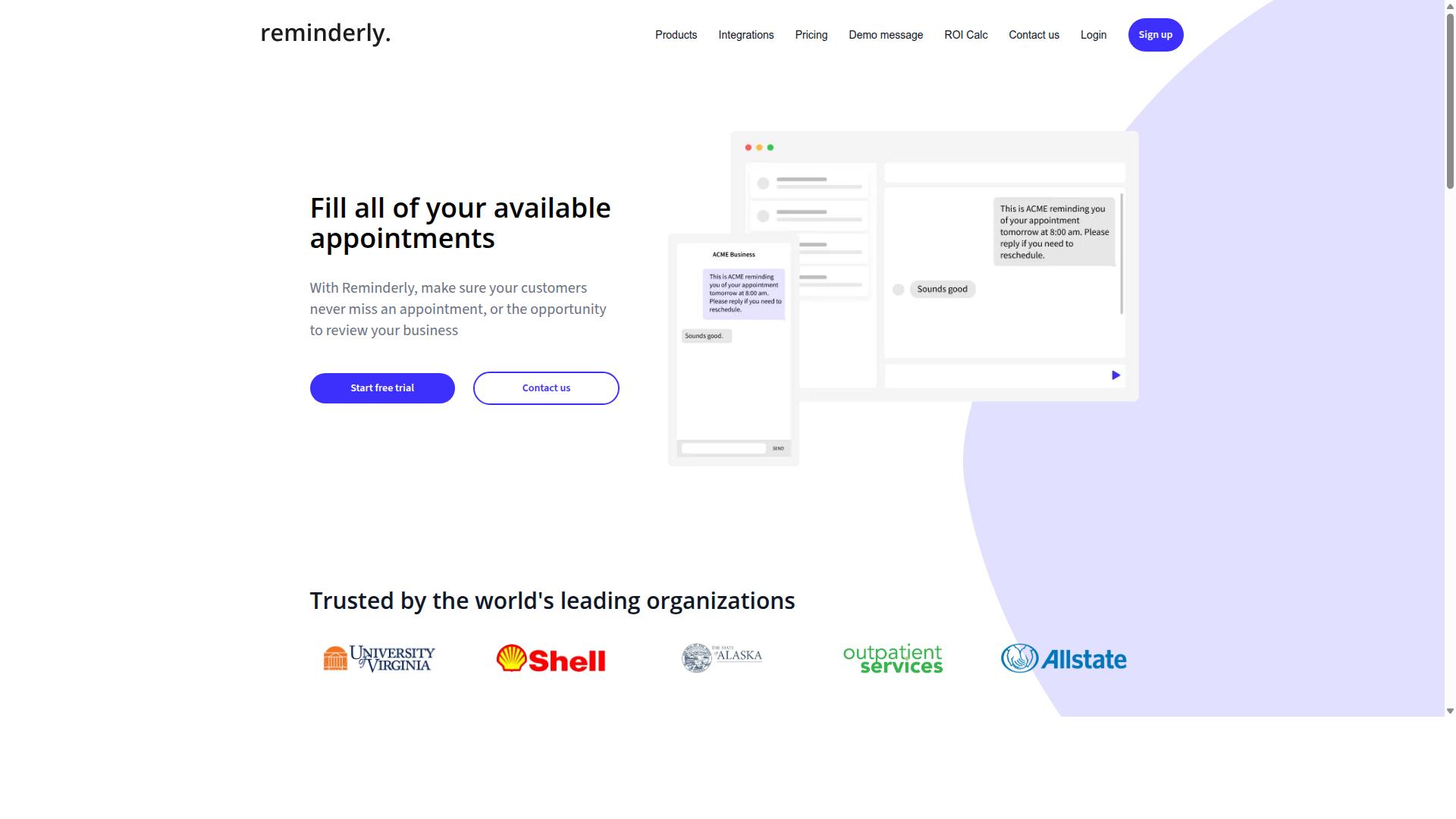
Reminderly.ai offers a cloud-based invoice processing solution with a focus on automated reminders and payment follow-ups. It positions itself as a practical option for teams that want to reduce the manual effort involved in chasing late payments and tracking outstanding invoices.
The platform appears to lean on automated payment reminders as its core strength. Users can set up scheduled follow-ups that go out to customers automatically, which may help reduce the time spent on routine accounts receivable tasks. This makes it a reasonable fit for small businesses or freelancers who need basic automation without a steep learning curve.
On the integration side, Reminderly.ai reportedly connects with popular accounting software. This could allow invoice data to flow between systems more smoothly, reducing duplicate entry and helping maintain consistent records across platforms. For teams already using a specific accounting stack, this kind of compatibility is often a deciding factor.
However, Reminderly.ai may have less advanced optical character recognition compared to dedicated intelligent document processing platforms. Its data extraction capabilities might be more limited when handling complex layouts, handwritten notes, or low-quality scans. Teams processing high volumes of varied vendor invoices could find these limitations frustrating.
It also appears to focus more on the payment follow-up side of the workflow rather than end-to-end AP automation. Features like three-way matching, purchase order verification, or advanced exception handling may not be as fully developed. Businesses that need a complete accounts payable solution might outgrow it quickly.
For a small operation with straightforward invoicing needs, Reminderly.ai could serve as a lightweight starting point. It seems best suited to those who prioritize payment reminders and basic document capture over deep workflow automation. Larger teams with complex invoice processing requirements would likely need to evaluate whether its feature set keeps pace with their volume and variety of invoices.
3. TaskRio
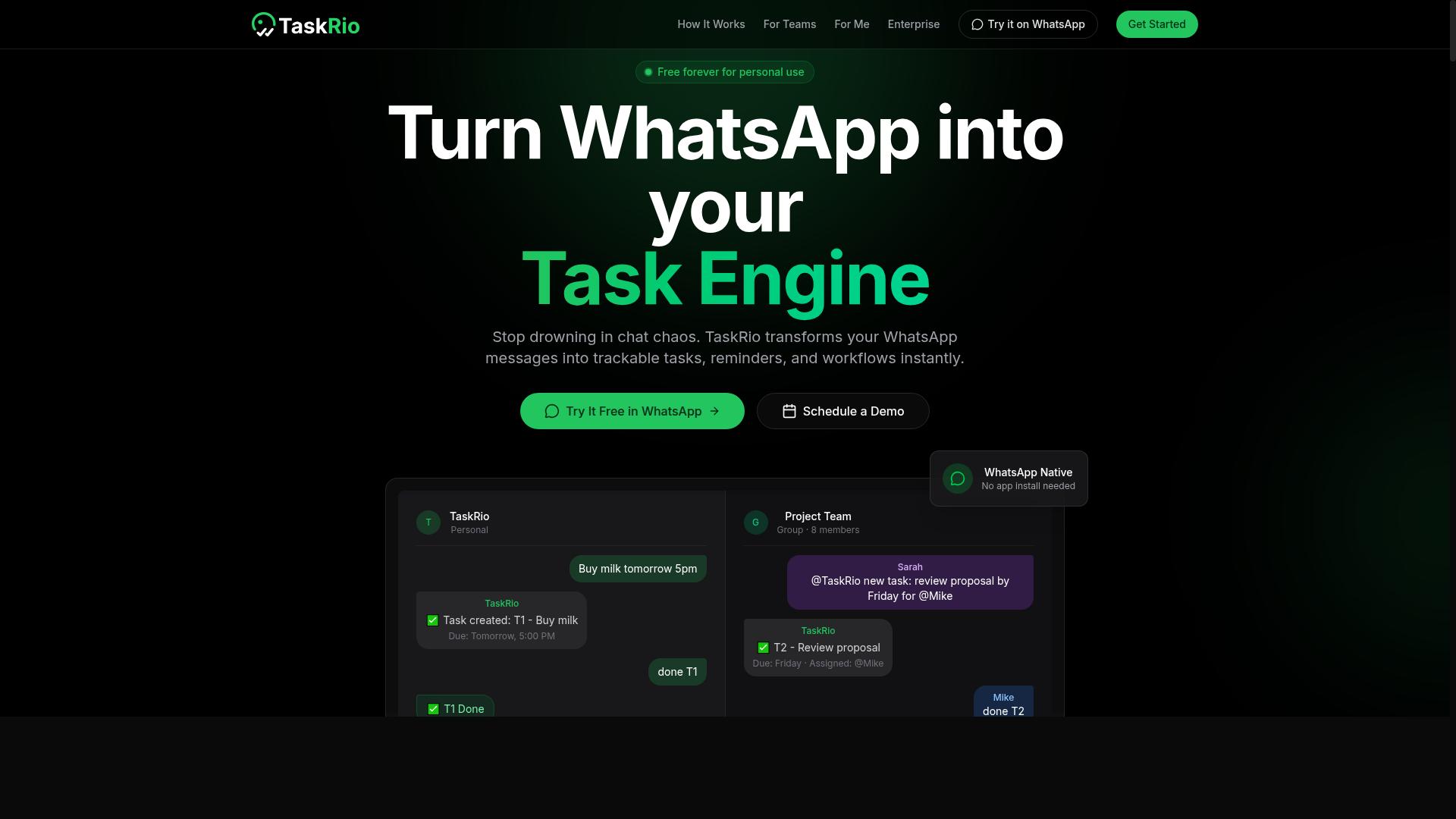
TaskRio focuses on end-to-end invoice processing with strong ERP integration and customizable workflows. It is positioned as a solid choice for mid-sized companies that have outgrown basic invoice scanning tools. The platform leans heavily on workflow automation rather than just data extraction.
Where TaskRio tends to stand out is in complex approval chains. If your accounts payable team routes invoices through multiple departments, cost centers, or spending thresholds, TaskRio gives you the structure to define those rules up front. This makes invoice routing and approval workflow design more deliberate and less reliant on manual email chains.
The system supports ERP integration, which is a key consideration for teams that want invoice data to flow directly into their accounting software. However, be prepared for a heavier setup phase. Implementation typically requires more configuration than simpler cloud-based alternatives, especially if you want three-way matching or purchase order alignment to work automatically.
For invoice validation and exception handling, TaskRio provides the tools to flag mismatches and route them to the right person. It is not the fastest tool to deploy, but for organizations with structured processes, the payoff comes in consistent invoice matching and fewer duplicate payments. If your team values control over speed, TaskRio is worth evaluating alongside more turnkey AI automation tools.
4. Karo.bot
Karo.bot leverages machine learning to improve document capture and data extraction accuracy over time. The platform positions itself as an accessible option for teams that want to automate invoice processing without heavy technical setup. Its interface is designed for quick onboarding, so accounts payable staff can start scanning vendor invoices early in the adoption process.
The tool learns from user corrections during invoice validation. When an operator adjusts a misread field, that feedback feeds back into the model for future document capture. This continuous improvement loop can reduce manual data entry effort as the system processes more of your vendor invoice volume.
For routine invoices with predictable layouts, Karo.bot handles invoice scanning and automated data entry well. Optical character recognition captures key fields such as invoice date, line items, and totals. The system then routes that invoice data into your approval workflow, which helps shorten processing time compared to fully manual methods.
Where Karo.bot may fall short is advanced invoice matching. Three-way matching, which compares the purchase order, receiving document, and vendor invoice, is not always a core strength for this type of tool. Teams that need complex exception handling or deep ERP integration for multi-entity operations may find the feature set limited.
Karo.bot is best suited for small to mid-sized finance teams looking for a straightforward AI automation tool. It offers a practical path toward cost reduction and faster invoice routing, though buyers with more complex accounts payable requirements should verify that it covers their specific invoice matching and fraud detection needs before committing.
5. The Sarah AI
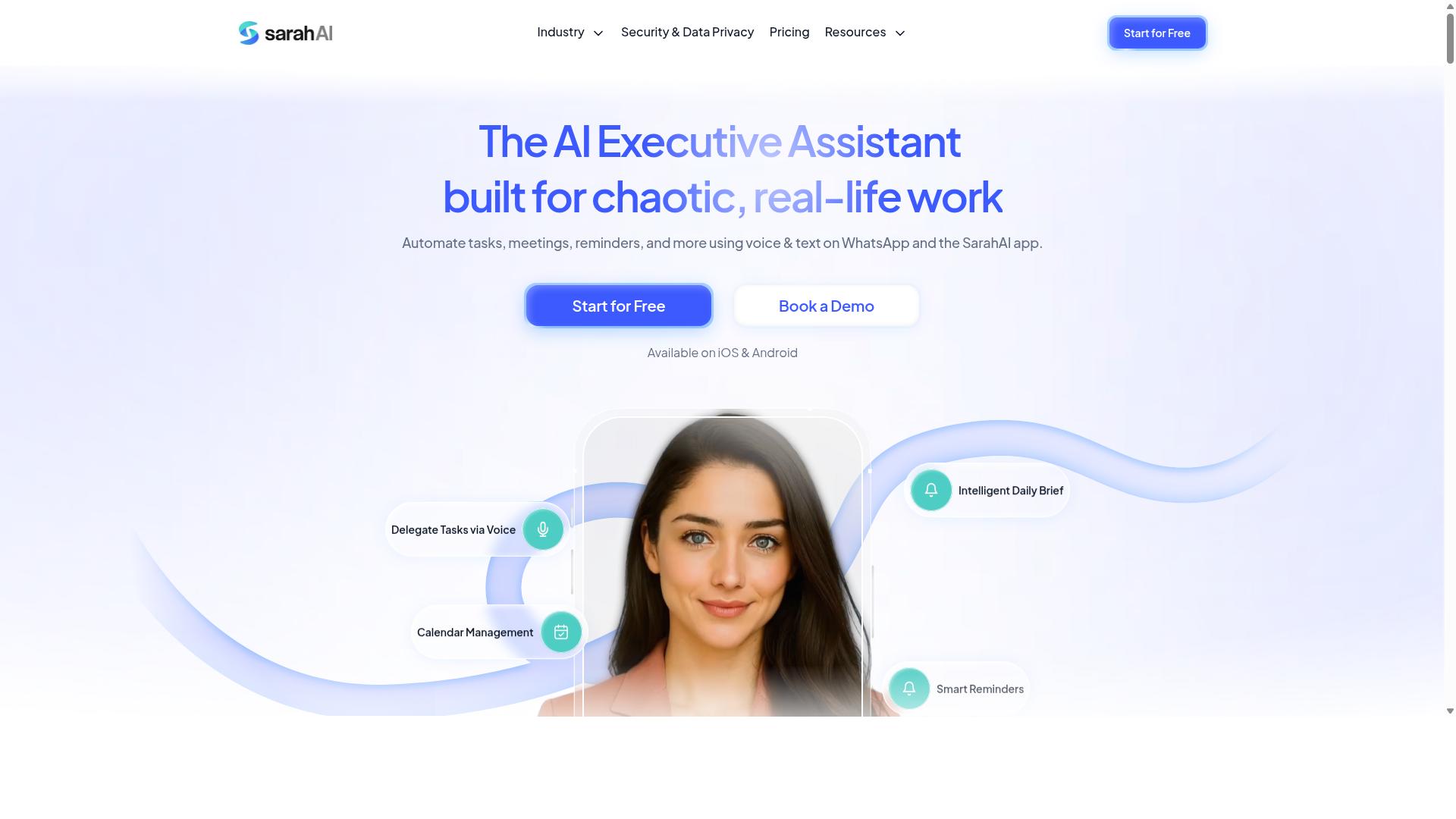
The Sarah AI specializes in invoice validation and exception handling, making it a strong contender for complex AP processes. Where many AI automation tools focus on speed of data extraction, this platform emphasizes accuracy at the review stage.
Its core strength lies in flagging discrepancies before they reach your approval workflow. The system can identify mismatches between a vendor invoice and its corresponding purchase order, catching issues like price variances or quantity differences early in the process.
This focus on validation helps reduce manual intervention significantly. Instead of having an accounts payable team member scrutinize every line item, the tool surfaces only the exceptions that genuinely need human judgment. Routine and matching invoices can move forward with minimal oversight.
For organizations dealing with high invoice volumes and complex three-way matching requirements, this approach can be valuable. The exception handling capabilities are designed to reduce the risk of duplicate payments and fraud detection gaps, which are common pain points in finance automation.
However, The Sarah AI may be overkill for small teams with straightforward invoice processing needs. Smaller operations processing a few hundred invoices per month might find the validation features more than they require.
Research suggests that sophisticated exception handling tools deliver the most value in larger, distributed organizations. If your team processes thousands of vendor invoices monthly across multiple departments, the investment in deep validation makes sense. If not, a simpler tool focused on automated data entry and basic routing may serve you better.
Consider your current exception rate before committing. Teams with low discrepancy rates may not benefit enough to justify the added complexity. Teams with frequent mismatches between purchase orders and incoming invoices will likely find the capability essential.
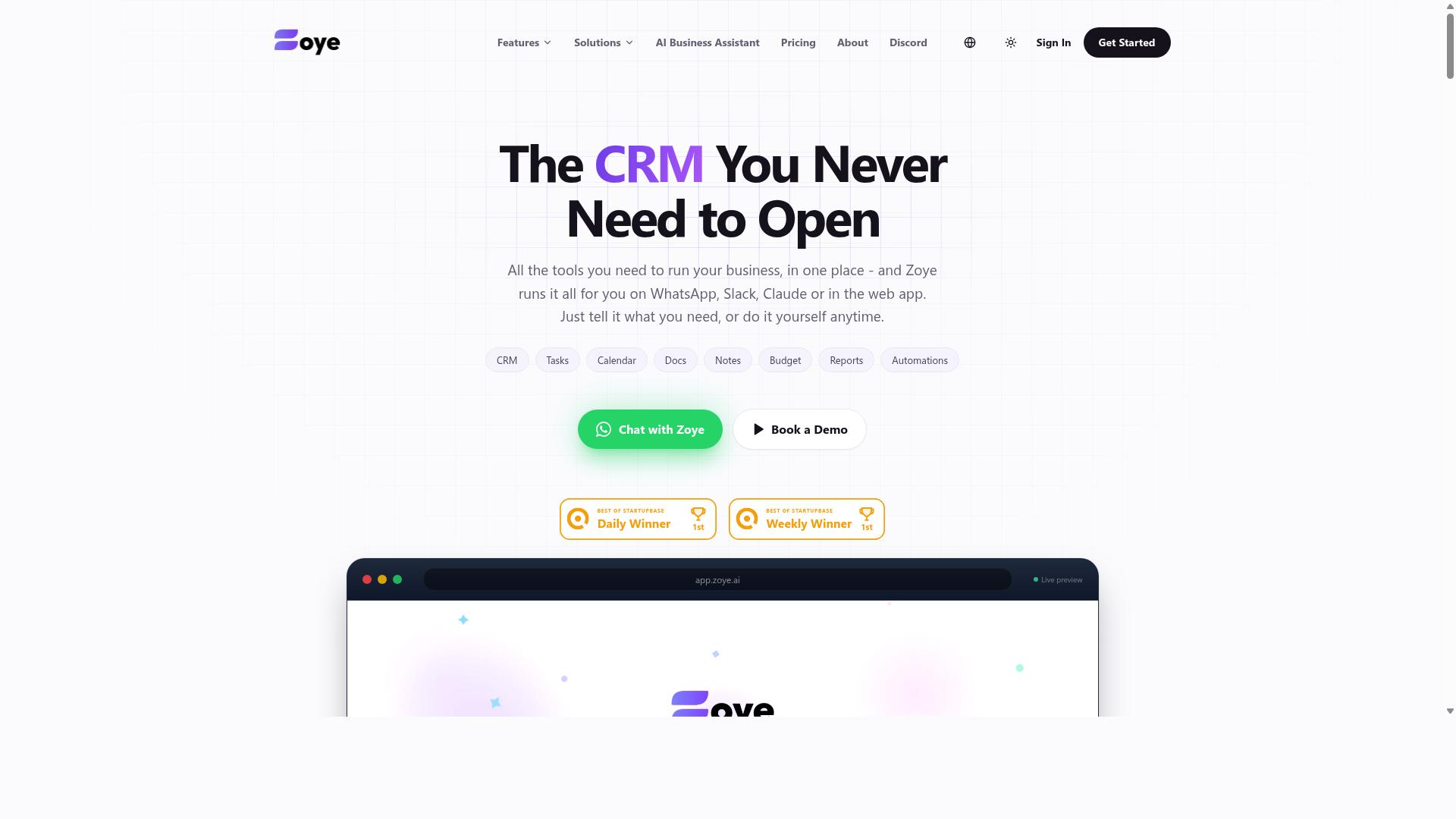
6. Zoye AI
How to Choose the Right Option
To choose the right AI invoice processing tool, evaluate your team's size, invoice volume, and integration needs against each product's strengths. Start by documenting your current pain points, whether those are slow approval cycles, manual data entry errors, or lost vendor invoices.
Define your must-have features before comparing vendors. Common priorities include optical character recognition for accurate data extraction, automated invoice matching against purchase orders, and ERP integration for smooth posting. Rank these features by importance to your accounts payable workflow.
Compare pricing models carefully. Some tools charge per invoice, others per user, and some use tiered subscription plans based on volume. Consider your invoice processing costs today, including labor and error correction, to estimate real savings.
Scalability matters for growing teams. Ask whether the platform handles increasing invoice volumes without performance drops, and whether adding new users or locations is straightforward. Cloud-based SaaS options typically scale more easily than on-premise alternatives.
Request demos and trial periods before committing. Use your own sample invoices to test data extraction accuracy, exception handling, and invoice routing. Pay attention to how quickly the tool learns your approval workflows and whether it flags duplicate invoices reliably.
Consider your team's existing communication habits. Teams that rely on WhatsApp for daily coordination should look for AI automation tools that work together with that channel. Tasks.Bot serves hundreds of teams using WhatsApp, particularly organizations with field staff who need task management, attendance tracking, and payroll-ready hours alongside invoice processing.
For teams with remote or mobile workers, the ability to handle invoice approval from a phone is essential. A tool that fits your current communication stack reduces training time and increases adoption. The typical Tasks.Bot user profile includes field-based teams who need simple, accessible tools rather than complex enterprise systems.
Finally, assess vendor support and implementation resources. Ask about onboarding time, training materials, and ongoing support quality. The best AI automation tool is one your team actually uses consistently, so prioritize ease of use alongside technical capability.
Final Verdict
For most teams, Tasks.Bot offers the best combination of ease-of-use, AI-powered automation, and cost-effectiveness, especially if you already rely on WhatsApp. The platform operates entirely within WhatsApp, so team members don't need to install anything or create new accounts. This removes the typical adoption friction that slows down accounts payable teams when rolling out new invoice processing software.
Tasks.Bot stands out because it uses AI to understand natural language and voice notes for task creation. That means invoice data can be captured and routed through approval workflows without complex forms or training sessions. The convenience of working inside an app your team already uses daily makes invoice processing feel like a conversation, not a software project.
Other tools in this roundup excel at specific functions like optical character recognition, three-way matching, or ERP integration. However, most require dedicated software installations, new logins, and significant onboarding time. None of them deliver the same frictionless experience of managing vendor invoices from your phone without leaving WhatsApp.
Tasks.Bot also addresses practical concerns that finance teams care about. Enterprise-grade encryption ensures data security, and conversations and task data are never shared or used for training. For field staff involved in document capture or invoice validation, face-verified attendance and live GPS tracking add an extra layer of accountability that typical AP automation tools simply do not offer.
To evaluate Tasks.Bot for your own invoice processing needs, the brand provides a 3-month free trial with no credit card required. This gives your team ample time to test invoice routing, approval workflows, and data extraction in real working conditions before committing. For more information, contact the Tasks.Bot team directly through their website to discuss your specific requirements.
Frequently Asked Questions
How is Tasks.Bot different from other invoice processing tools on this list?
Unlike traditional invoice tools that require new software or dashboards, Tasks.Bot operates entirely within WhatsApp. This means your team can create and manage invoice-related tasks using natural language or voice notes, without needing to install anything or create new accounts, making it a uniquely low-friction option.
Can Tasks.Bot handle invoice approvals and deadline tracking for my finance team?
Yes. Tasks.Bot includes built-in approvals and automations, plus smart deadline reminders, which are essential for invoice workflows. You can assign invoice review tasks, set approval steps, and receive instant reports directly in WhatsApp, keeping the entire process visible and on schedule.
Does Tasks.Bot work for field teams that need to submit invoices remotely?
Absolutely. Tasks.Bot offers a mobile app for field teams and includes tasks on a map and live day tracking. Since it works via WhatsApp, remote staff can submit invoice-related updates or expenses from anywhere, and managers can track progress in real time without extra software.
What does Tasks.Bot cost compared to other invoice automation tools?
Tasks.Bot offers a 'Full Access' plan with all features included. Pricing is available in Indian Rupees and US Dollars, at 200 per member per month, or 1,200 per member per year (which saves 50%). For exact pricing in your currency or to compare with other tools, it's best to check the website or book a demo on WhatsApp.
Is Tasks.Bot suitable for a small team that just wants simple invoice task tracking?
Yes, it's designed for teams that already use WhatsApp. Since there's no new software to learn, a small team can start assigning invoice tasks, setting reminders, and getting reports within minutes. The service is currently in beta, and the website mentions hundreds of teams already using it, so it's proven for practical, everyday use.
Does Tasks.Bot offer support or a way to test it before committing?
Yes, Tasks.Bot provides a 'Book a Demo on WhatsApp' option on its website, which is the easiest way to see how it works for your specific invoice process. You can also reach out directly via phone at +91 97143 42522 or email at [email protected] for any questions before you sign up.
Recommended Resources: